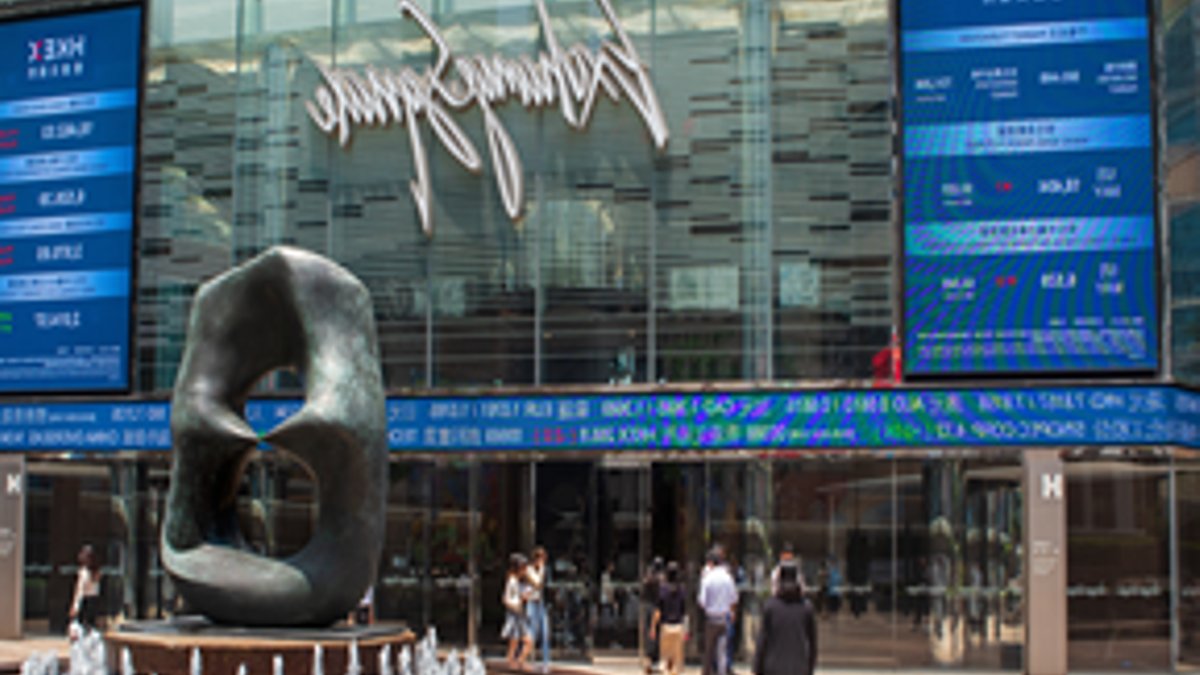
Hong Kong’s initial public offering (IPO) market reached a historic milestone in 2026, with 112 companies securing $48.4 billion on the main board during the first nine months of the year.
This growth coincides with heightened regulatory oversight of sponsor due diligence and disclosure standards, which tightened in late 2025. Meanwhile, the Hong Kong Stock Exchange (HKEX) has been refining its regulatory framework to remain competitive against U.S. and mainland Chinese exchanges. In July, the exchange broadened access to confidential filings across all sectors and loosened restrictions on weighted voting rights.
The latest focus centers on post-listing corporate transactions. In September, HKEX released a consultation paper proposing revisions to the rules governing such deals. The aim is to grant issuers greater operational flexibility while reinforcing shareholder protections through stricter disclosure requirements and board accountability measures.
The consultation, which remains open until November 30, introduces several key changes. One proposal raises the threshold defining a “major transaction” from 25% to 50% of a company’s assets or equity. Transactions falling between these two levels would require only a public announcement, eliminating the need for a formal circular or shareholder approval vote. HKEX justifies this shift by citing a global trend toward disclosure-based regulatory approaches, arguing that it enables companies to pursue value-enhancing deals more efficiently.
However, certain transactions remain subject to the original 25% threshold. Li Tao, a partner at Han Kun Law Offices, clarified that deals involving financial assistance or securities would still trigger the stricter requirements. The paper also suggests scrapping the current profits ratio test and replacing it with a consideration ratio benchmarked against the higher of a company’s market capitalization or net asset value.
Read Also: ALB Honors 50 MENA Lawyers for Exceptional Client Service
To compensate for the relaxed approval process, the proposals expand mandatory disclosure obligations. Issuers would be required to disclose material terms, the rationale behind transaction valuations, key financial metrics, and the anticipated impact on the business. This alignment with international disclosure standards aims to strengthen investor confidence, according to Li.
The document also revises rules for connected transactions. The new proposal increases this limit to 30%, reducing administrative burdens for subsidiaries where connected parties hold limited influence. This adjustment lowers the risk of regulatory abuse while maintaining oversight in high-risk scenarios.
For spin-off listings, the consultation introduces a self-assessment option for compliance with Practice Note 15, which governs the separation of business units. To qualify, the parent company must maintain a market capitalization of at least HK$10 billion ($1.3 billion), while the spun-off entity must generate annual revenue of no less than HK$1 billion ($127 million). Additionally, the remaining group must account for over 50% of the company’s total revenue and assets.
This change is designed to streamline approvals for large, well-established issuers where the risk of creating shell companies is minimal. The consultation further reduces the moratorium period for spin-off listings from three years to one year, allowing companies to respond more quickly to strategic opportunities or diversification initiatives.


