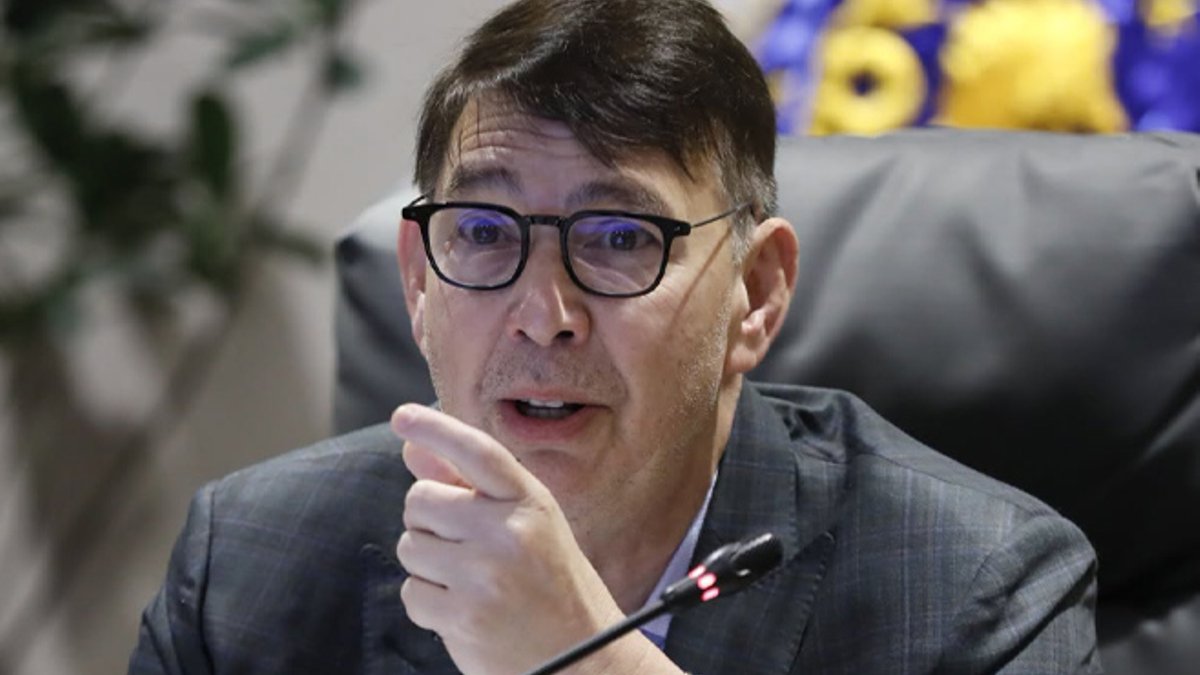
A Malacañang official on Tuesday vowed to translate the Philippines’ top rating from global investment firms into better jobs, higher wages, upgraded infrastructure and public services for Filipinos. Executive Secretary Ralph Recto gave the commitment after the country secured back-to-back credit rating affirmations from two leading global agencies, which he said reflected the country’s economic strength and ability to attract investments, create jobs, and fund better public services.
Rating and Investment Information, Inc. (R&I) affirmed the Philippines’ A− investment-grade rating with a stable outlook on August 21. R&I gave the Philippines its first-ever A-level rating under the Marcos administration in 2024.
Moody’s followed on August 24, affirming the country’s Baa2 investment-grade rating with a stable outlook. According to Recto, these ratings are a vote of confidence in the Philippines, demonstrating the country’s ability to attract investments and create jobs.
“Dalawang boto ito ng kumpiyansa sa Pilipinas. Patunay ito na nananatiling matatag ang tiwala ng investors sa ating ekonomiya at sa pamamahala ni Pangulong Ferdinand Marcos Jr.,” Recto said. He added that the government will protect the confidence it has earned and make it work for the Filipino people through more jobs, higher incomes, better infrastructure, and stronger public services.
High investment-grade ratings allow the Philippine government and businesses to borrow on more affordable and cost-effective terms. For the government, lower financing costs mean more resources for classrooms, hospitals, roads, food security, social protection, and other essential services for Filipinos.
The top ratings came amid the Philippines’ major gains against poverty, with preliminary data showing that poverty incidence fell to 9.7 percent in 2025 from 15.5 percent in 2023, reducing the number of poor Filipinos to 11 million from 17.5 million. This means 6.5 million Filipinos were lifted out of poverty.
The Marcos administration achieved its single-digit poverty target three years ahead of 2028. Recto said the government would protect these gains by attracting more job-generating investments, raising incomes, lowering household expenses, and shielding vulnerable families from economic shocks.
The government plans to raise the personal income tax exemption of individuals to P 350,000 annually, freeing up to P 17,500 every year per worker, and converting a tax payment to purchasing power. It also urged Congress to amend the Electric Power Industry Reform Act to bar distribution utilities and electric cooperatives from passing system loss charges to ordinary consumers.
Another energy measure it wants passed is the Sariling Kuryente Act, which makes the installation of solar and battery systems simple, easy, and cheap for households. Recto said the administration will continue prioritizing price stability measures to keep food, fuel, electricity, and other basic necessities affordable, while continuing targeted support for sectors most vulnerable to economic shocks.
They will continue working to create jobs and improve infrastructure.
The executive branch is working closely with Congress to pass the proposed 2027 national budget on time, while improving budget execution and accelerating high-impact infrastructure projects to create more jobs, energize local economies, cut logistics costs, and attract investments. The government’s initiatives, including efforts to improve fund handling, aim to maintain economic momentum and attract more investments.
As the country moves forward, it is likely that economic growth will continue to benefit from the high investment-grade ratings. With the administration’s focus on creating jobs, raising incomes, and improving infrastructure, the Philippines may be able to attract even more investments in the future, addressing title issues and other challenges.


