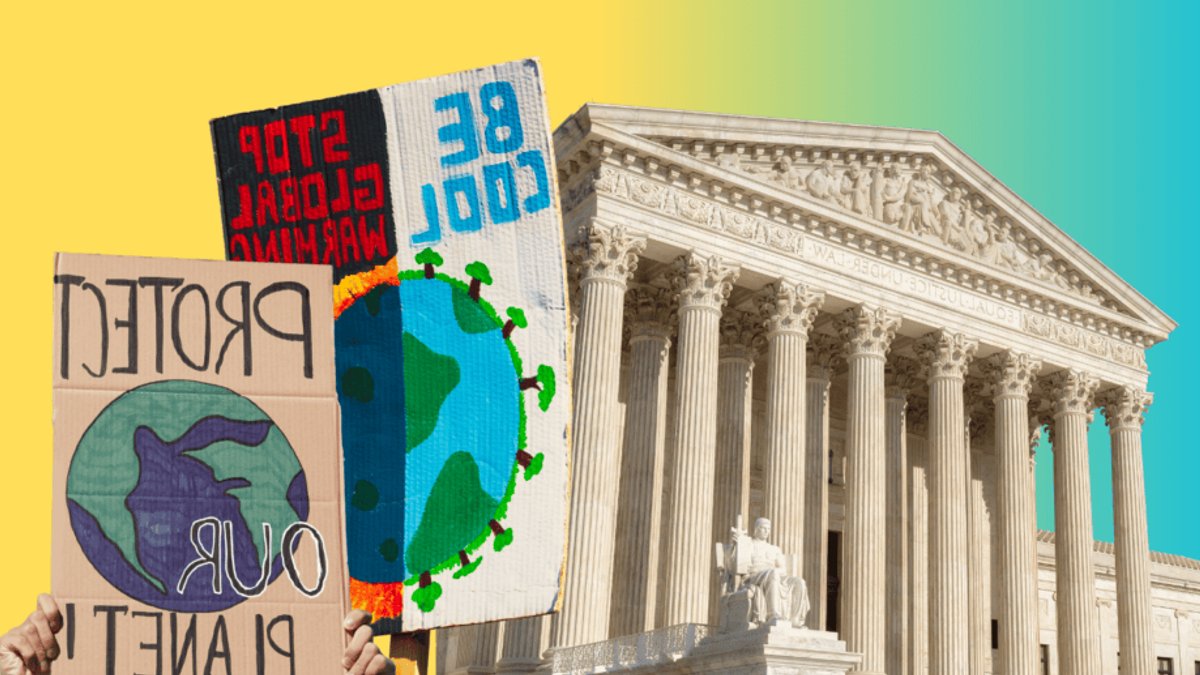
Suncor Energy v. County Commissioners of Boulder County is set for oral argument before the U.S. Supreme Court on October 5, 2026, bringing a Colorado climate‑damage suit into the nation’s highest court.
Supreme Court takes up the case
The petitioners are the Board of County Commissioners of Boulder County and the City of Boulder, both alleging that the defendants’ fossil‑fuel operations have forced local governments to shoulder rising costs from heat waves, wildfires, droughts and floods.
The defendants include Exxon Mobil and three entities of Suncor Energy: Suncor Energy (U.S.A.), Inc., Suncor Energy Sales, Inc., and Suncor Energy, Inc. They argue that federal law bars the state‑law claims.
In 2018 the Boulder entities filed suit, accusing the oil companies of misleading the public about climate risks. The Colorado Supreme Court rejected a preemption argument in a 5‑2 decision on May 12, 2025, allowing the case to move forward.
Legal claims and the preemption question
Plaintiffs rely on several causes of action: public and private nuisance, trespass, unjust enrichment, consumer‑protection violations under the Colorado Consumer Protection Act, and civil conspiracy. They seek monetary relief for past and future mitigation expenses.
The oil firms contend that the Clean Air Act preempts state tort claims because greenhouse‑gas emissions are regulated at the federal level. They label the suit an “audacious attempt” to use state law for a global problem.
Read Also: Website blocks access with 403 error
The petitioners counter that the Constitution assigns responsibility for climate‑related cost allocation to the states and their political branches, not to the federal judiciary.
Both sides also argue over whether the Supreme Court has jurisdiction to review the case now, since the Colorado courts have not yet issued a final judgment.
Possible rulings and their ripple effects
Analysts outline five scenarios. The Court could dismiss the case for lack of jurisdiction, sending it back to Colorado courts. That outcome would preserve the status quo for dozens of similar state‑law climate suits.
Alternatively, the justices might issue a broad preemption ruling, ending not only Boulder’s lawsuit but also many pending climate‑accountability cases across the country.
A narrower preemption decision could bar Colorado from applying its law to out‑of‑state emitters while leaving deception claims based on in‑state marketing intact.
Another possibility is a mixed ruling: the Court could find the Clean Air Act does not preempt state common law but decline to address the foreign‑affairs preemption theory, or vice‑versa.
Read Also: Court orders VP Sara’s arrest over grave threats
If the justices hold that the Clean Air Act leaves room for state tort remedies, the case would return to Colorado for discovery, potentially leading to a trial that could set a financial precedent for municipalities.
Given the early stage of litigation, the Supreme Court’s involvement could either shortcut the process or provide a roadmap for future climate litigation. The timing suggests the justices want to resolve the jurisdictional question before state courts invest further resources.
Amicus support and procedural debates
Dozens of amici have filed briefs. A coalition of seven Colorado cattle ranchers argues that climate impacts threaten their livelihoods, while former EPA administrators contend that the Clean Air Act’s text preserves state tort claims.
The Natural Resources Defense Council cites a National Academies report on extreme‑event attribution, urging the Court not to block state‑law actions. Former California Insurance Commissioner Dave Jones warns that climate change itself, not litigation, poses the biggest risk to insurers.
Law professor Jonathan Adler emphasizes the historical role of state law in environmental protection, arguing that economic interests should not override state‑level accountability.
Some observers have called for Justice Samuel Alito to recuse himself because of personal holdings in the oil sector, though the Court has not required a recusal.
Read Also: Jury Deadlocks in Lindsay Clancy Trial After Mom Kills 3 Children
While the legal arguments are dense, the underlying dispute centers on who should foot the bill for climate adaptation. Local officials say their budgets cannot absorb the full cost of mitigation, and they view the oil companies’ alleged deception as a basis for shared responsibility.
In the middle of the debate, it seems likely that the Court’s decision will hinge less on abstract policy and more on the precise language of federal statutes. If the justices interpret the savings clauses in the Clean Air Act as preserving state tort avenues, the case could survive and force defendants to engage in costly discovery.
Conversely, a finding of clear congressional intent to preempt such claims would send a strong signal that federal regulation, not state courts, is the proper arena for climate‑related redress.
The outcome will also shape how other municipalities allocate resources for climate resilience. A narrow ruling could encourage more local governments to pursue deception claims, while a broad dismissal might push them toward legislative solutions.
As the oral arguments approach, both sides are preparing to stress different facets of federal preemption doctrine, the scope of the Clean Air Act, and the constitutional limits of state tort power.
If the Court rules that the Clean Air Act preempts the claims, the Boulder lawsuit will be dismissed, ending the state‑law effort in Colorado.


